
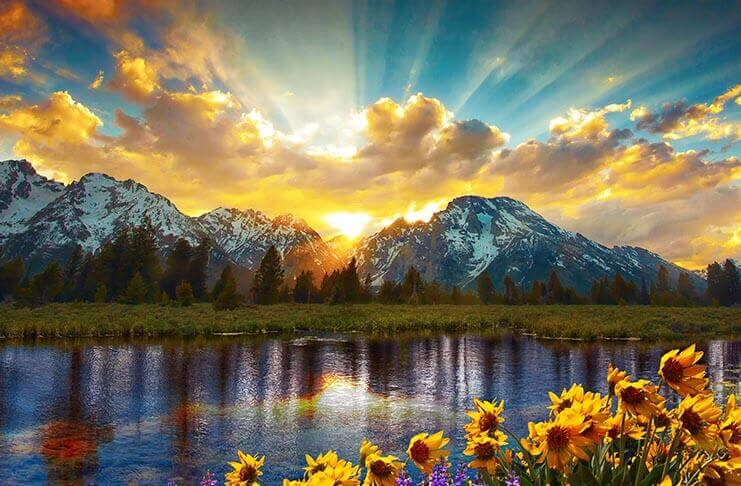
There’s something magical about stepping into nature with a camera in your hand — the sound of leaves, the glow of sunlight breaking through clouds, and that silent moment before you click the shutter. Nature photography isn’t just about taking pictures; it’s about capturing emotions, stories, and the raw beauty of our planet.
Whether you’re wandering through forests, sitting by rivers, or hiking in the mountains, learning how to photograph landscapes beautifully can transform your simple clicks into soulful art.
Let’s explore the best tips, techniques, and emotional secrets that will help you capture nature like never before.
Understand the Magic of Light
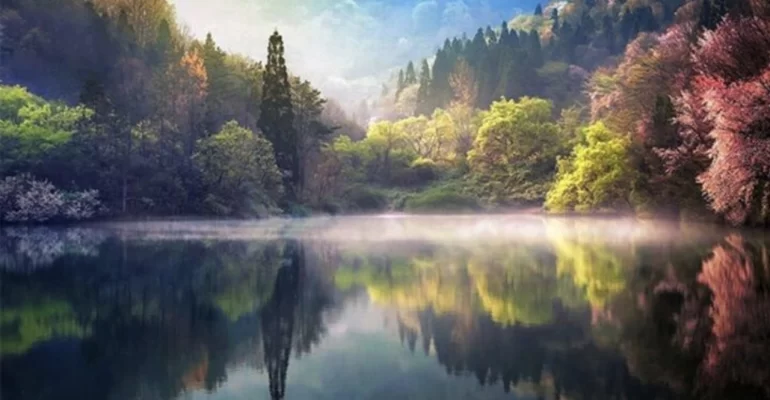
Light is the soul of every photograph. It decides the mood, tone, and emotion of your image.
Golden Hour
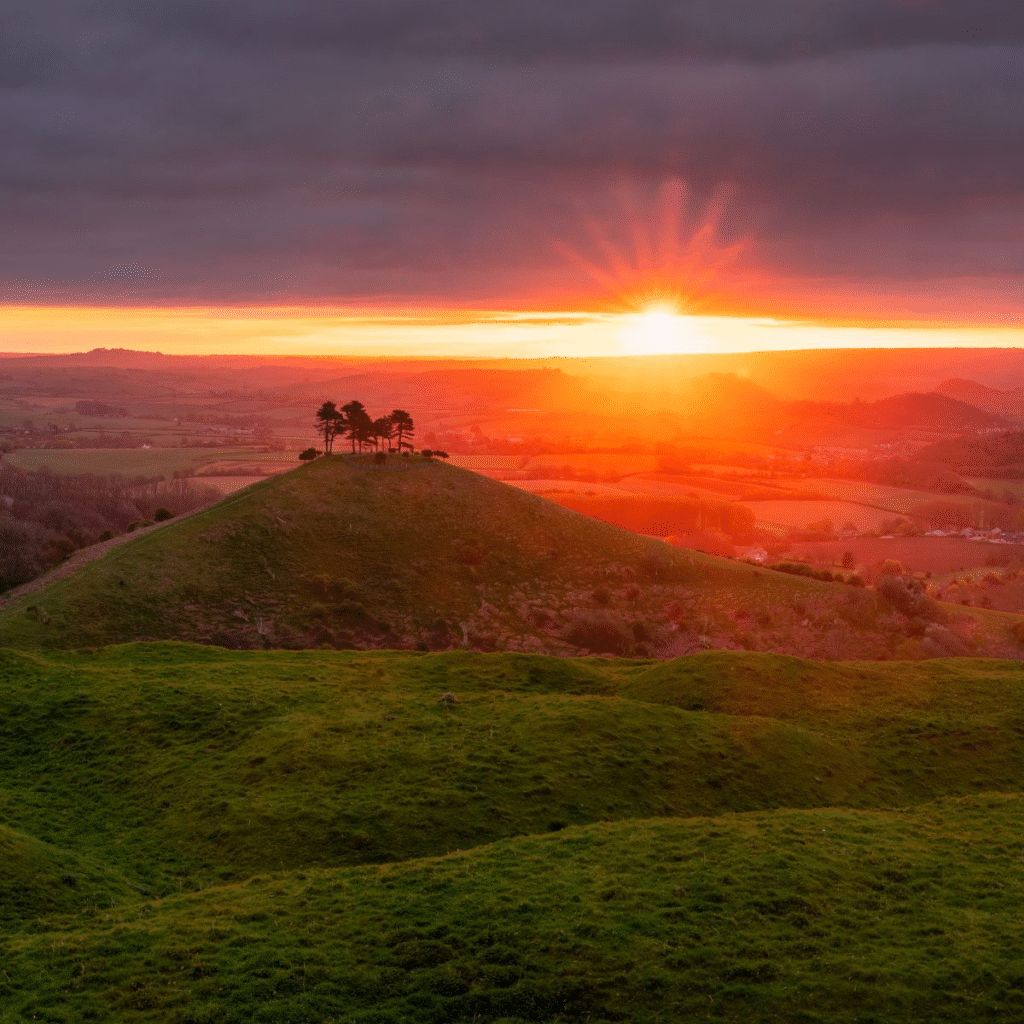
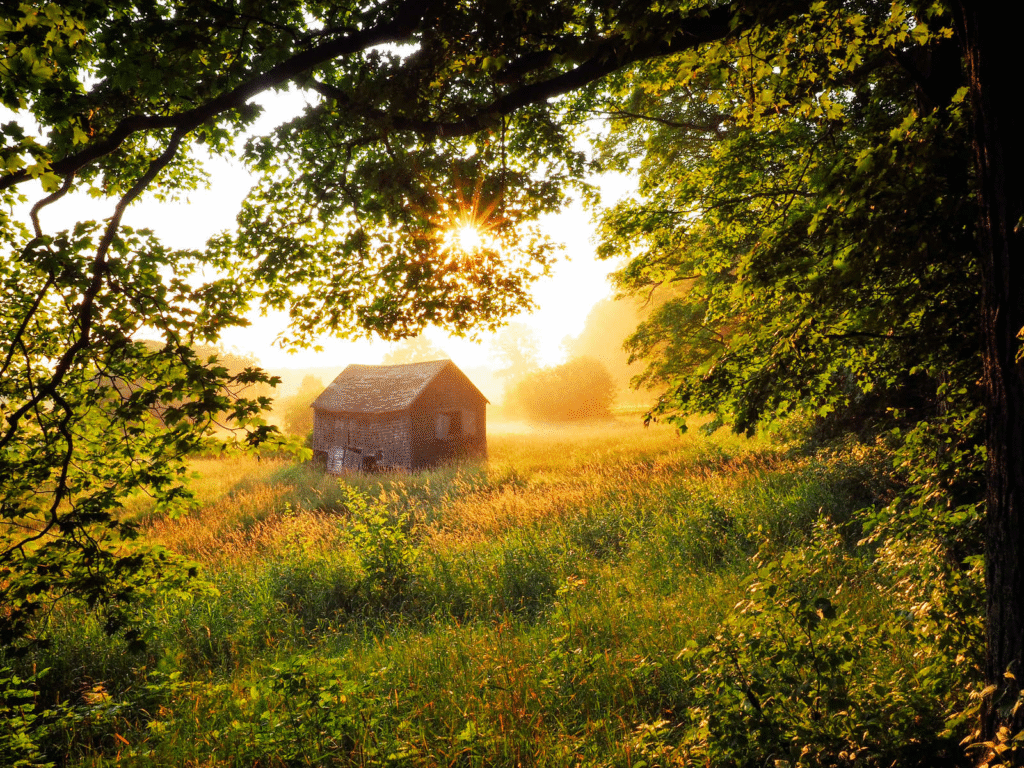
The best time for landscape photography is early morning or late evening, when the sun is low. The soft, golden light enhances textures, adds warmth, and creates a dreamy look.
Example: Imagine shooting mountains just as the sun rises — the peaks glow orange, and the shadows dance in harmony. That’s the golden hour charm!
Blue Hour
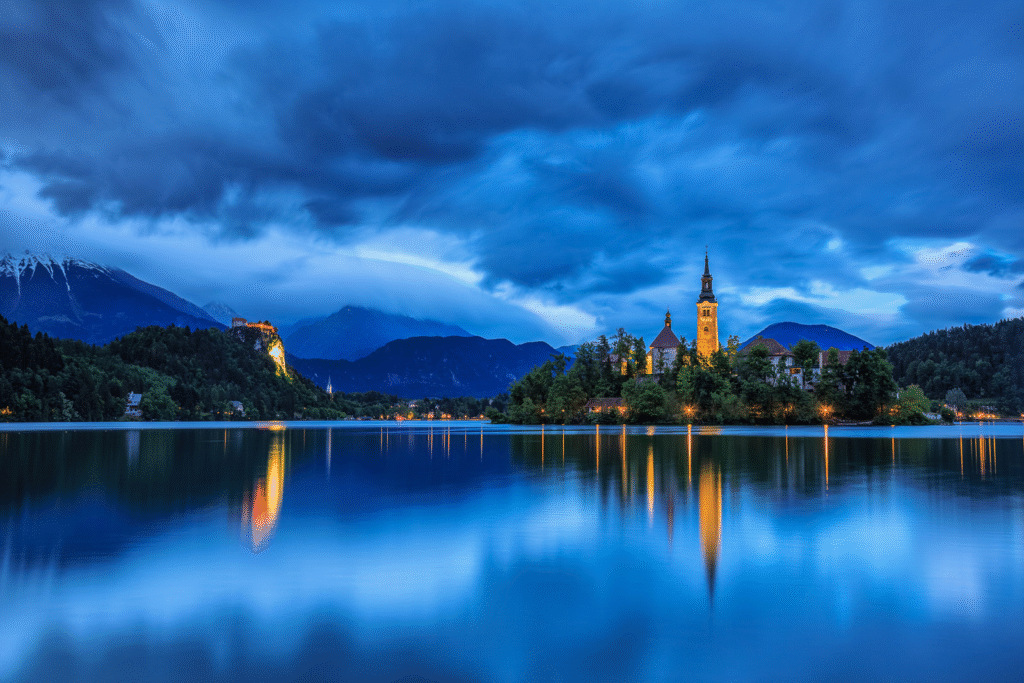
Right before sunrise and after sunset, the sky turns a deep blue. It’s perfect for serene, calm photos. Reflection shots during this hour look heavenly.
Cloudy Days
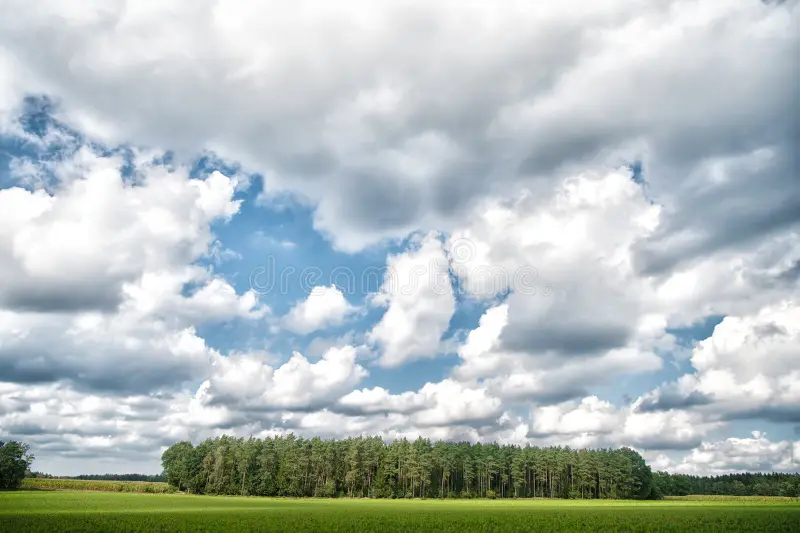
Don’t pack up your camera when it’s cloudy. Diffused light from clouds gives a soft touch, especially for forests, waterfalls, and foggy hills.
Personal Note: Once I visited a valley expecting sunshine, but it rained. I waited, and the fog that followed gave me one of the most magical shots — the trees looked like they were floating in the clouds.
Composition: Tell a Story Through Your Frame
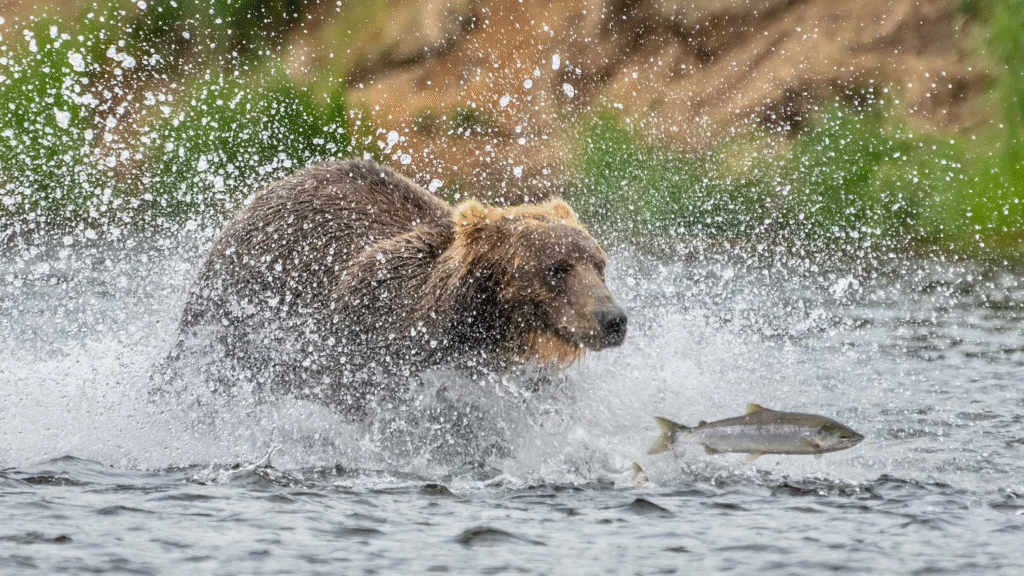
Composition is the heart of a good photograph. It helps guide the viewer’s eye and gives structure to beauty.
Rule of Thirds
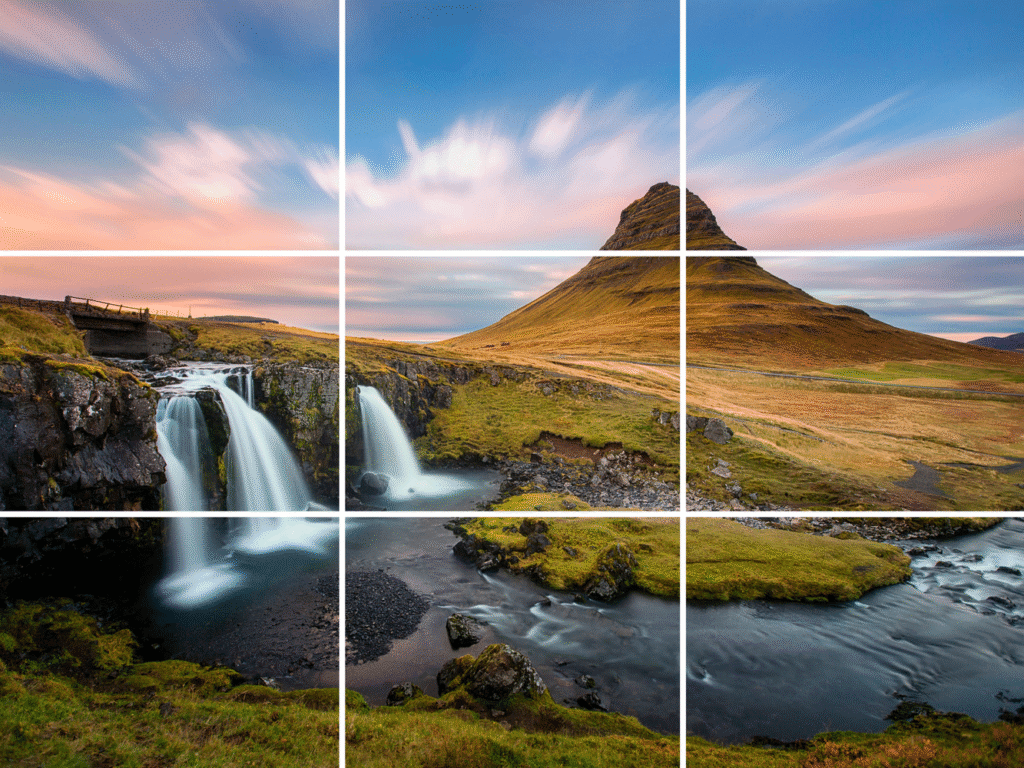
Divide your frame into three parts (both horizontally and vertically). Place important elements like the horizon or a mountain peak along these lines. It creates balance and focus.
Leading Lines
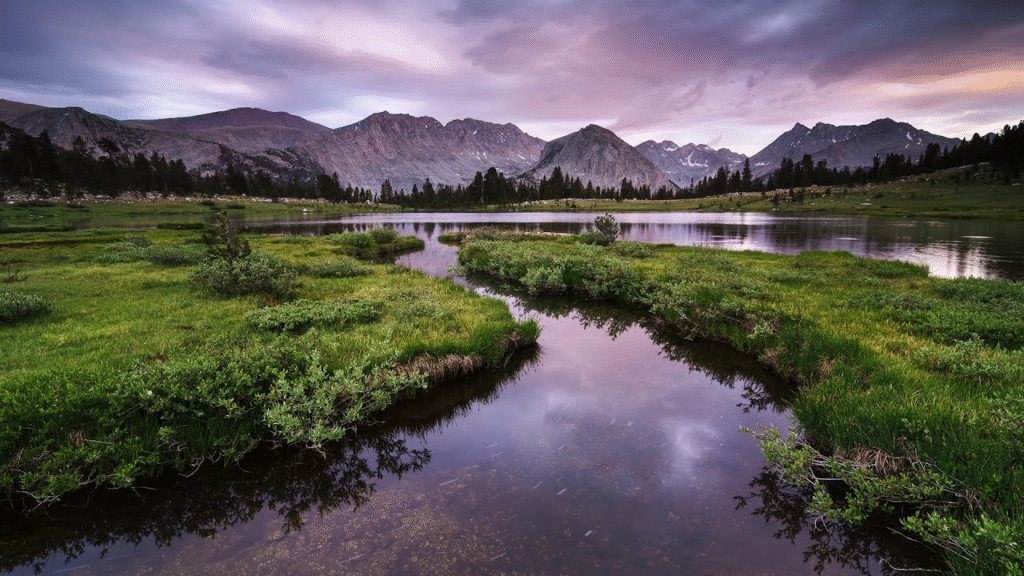
Rivers, roads, fences, or even rays of sunlight can lead the eye naturally into your photo. They create depth and storytelling.
Foreground Interest
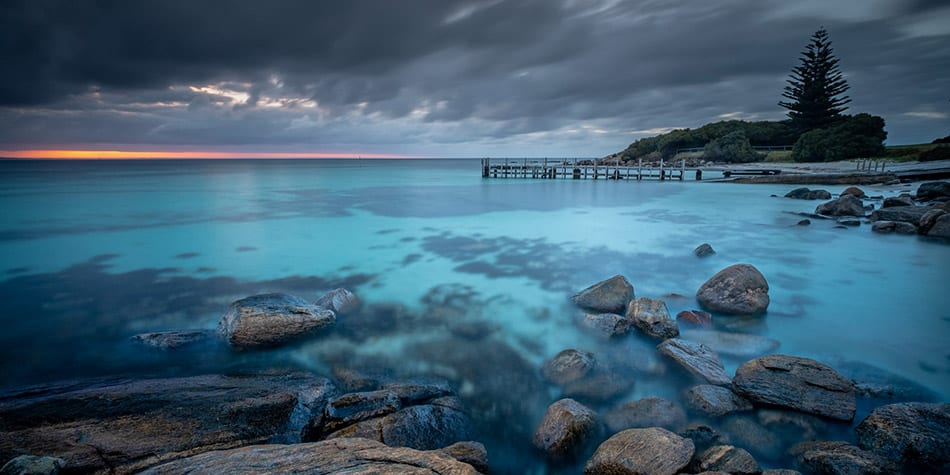
Adding flowers, rocks, or leaves in the foreground makes your landscape look more three-dimensional.
Example: A mountain looks grander when you include blooming wildflowers in front of it.
Symmetry & Reflections
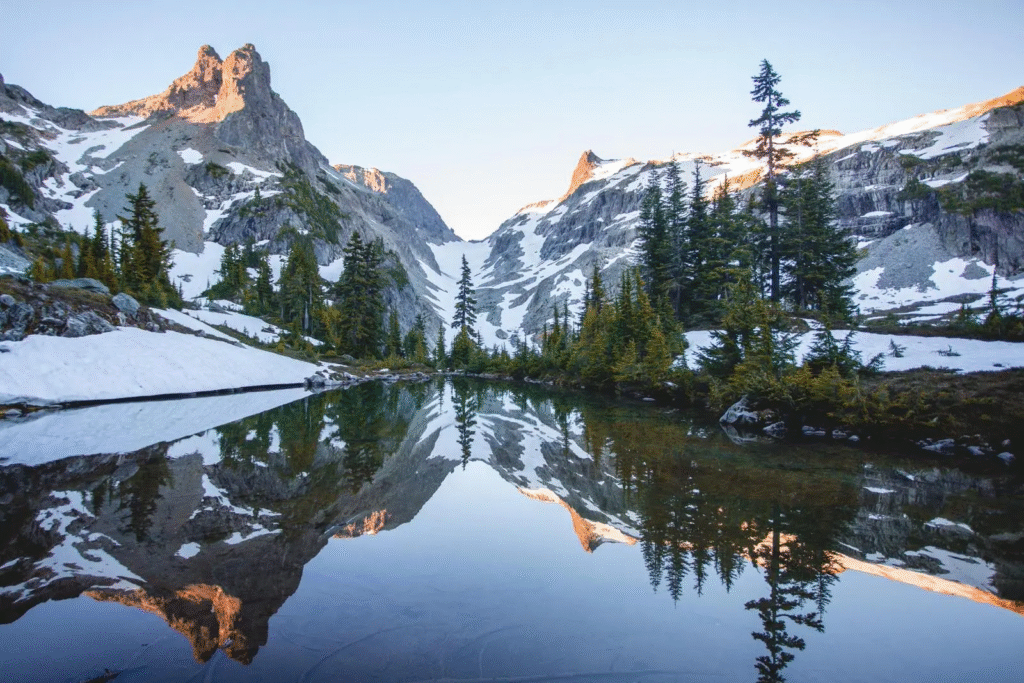
Nature offers perfect mirrors — lakes, rivers, or even rain puddles. Capture reflections for a peaceful, balanced look.
Choose the Right Equipment
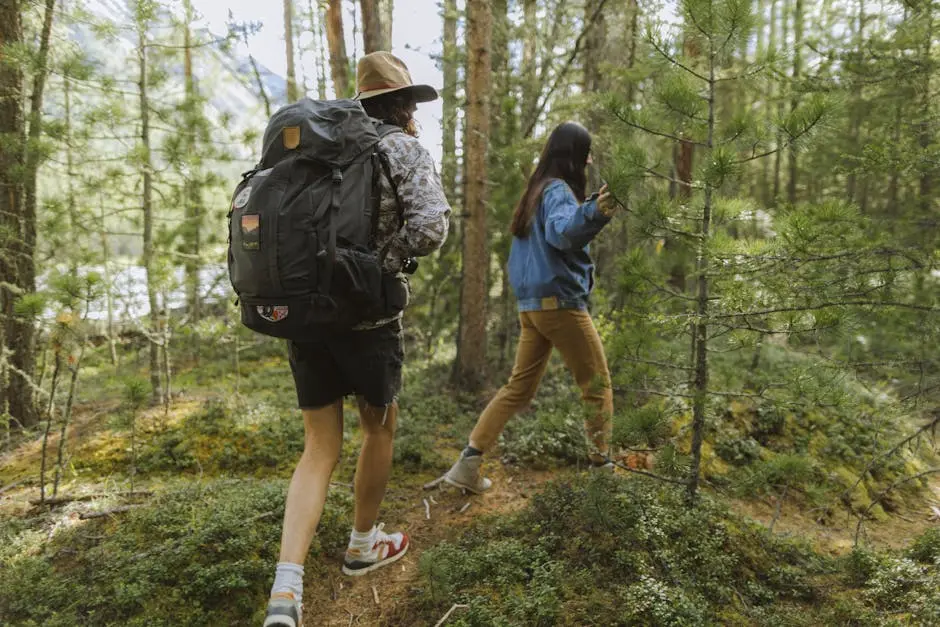
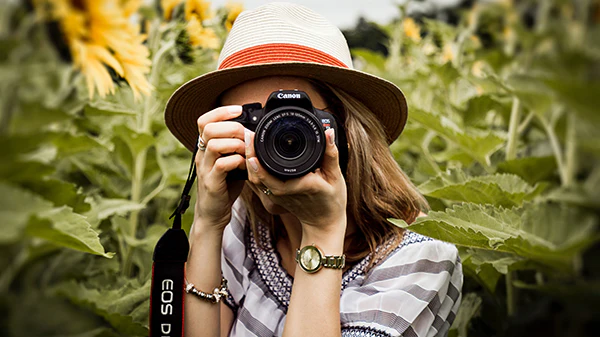
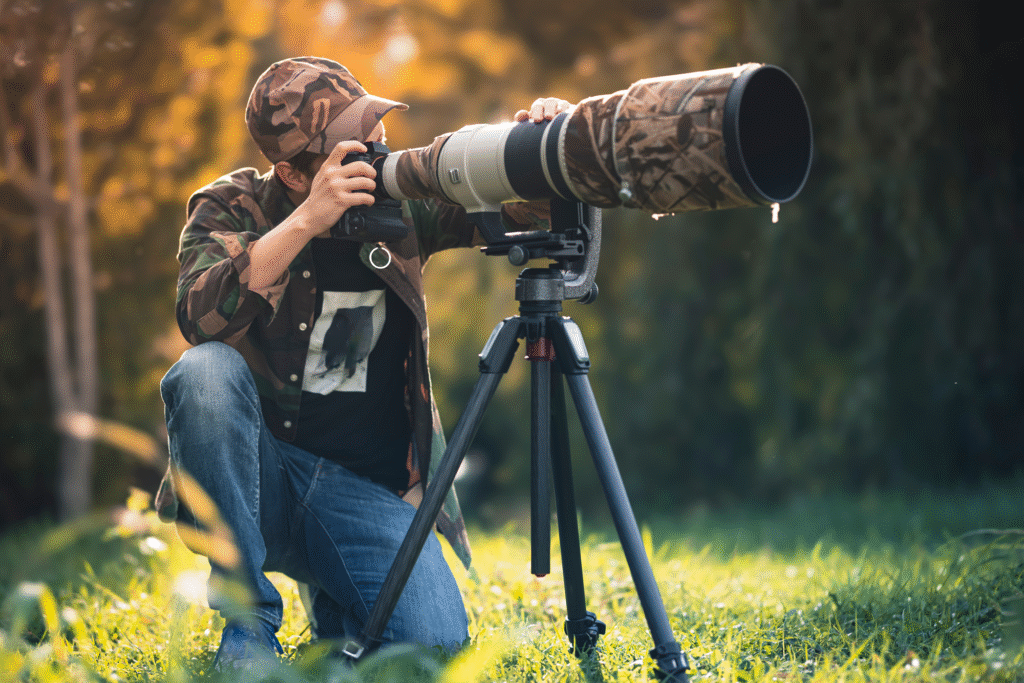
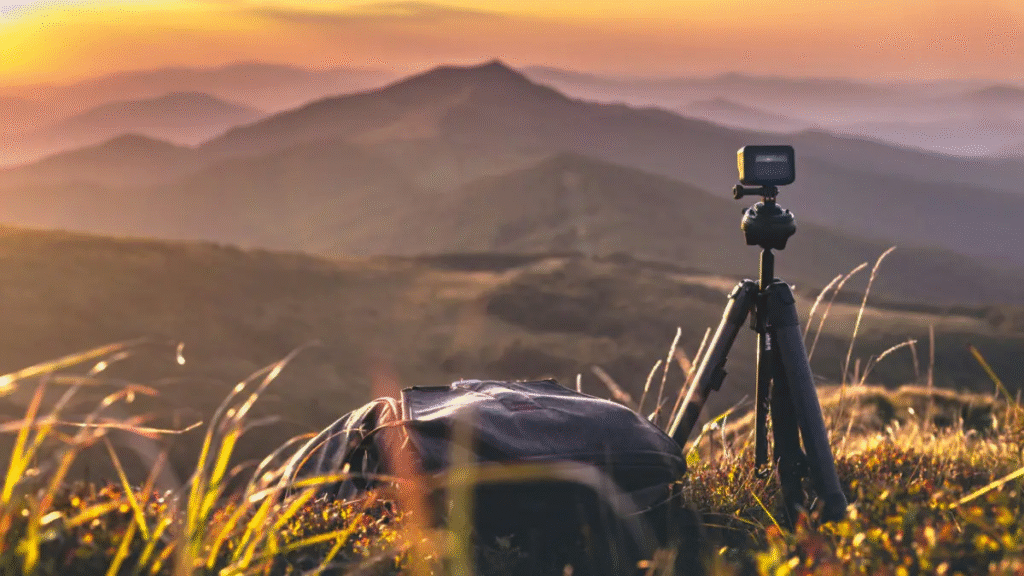
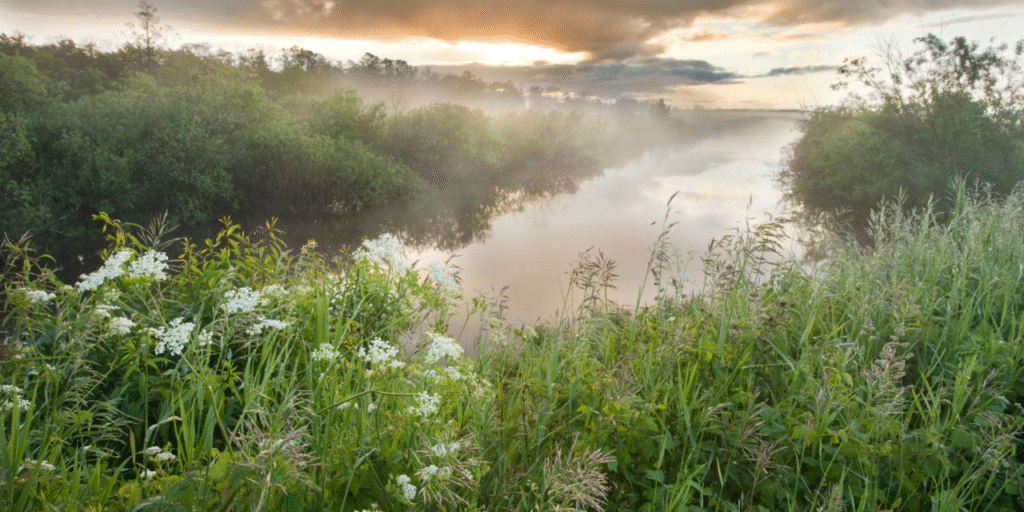
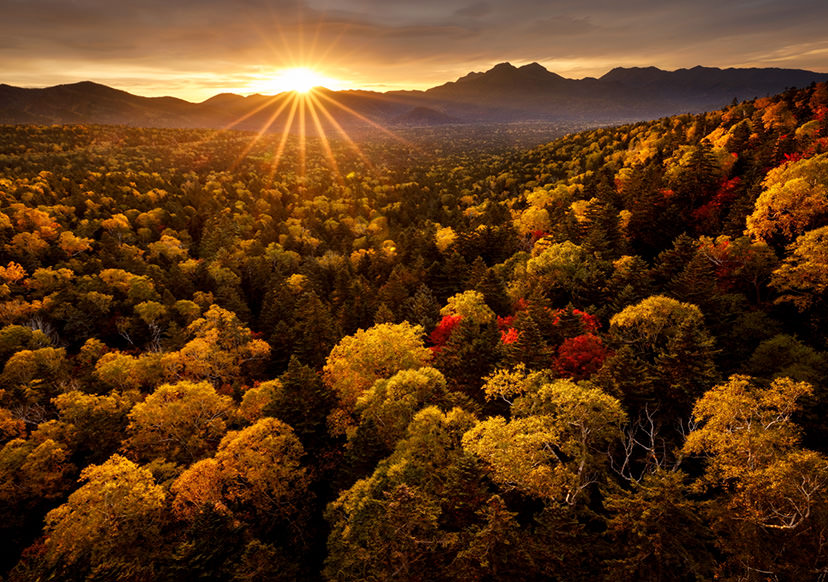
Good photos don’t always need expensive gear — but the right tools help bring your vision to life.
Camera
- DSLR or Mirrorless: Gives full control over settings.
- Smartphones: Modern phones have excellent cameras — use manual/pro mode for better results.
Lenses
- Wide-angle lens (10–24mm): Best for mountains and vast landscapes.
- Telephoto lens (70–200mm): Great for distant details like wildlife or sunlit peaks.
Tripod
For long exposures, sunrise/sunset shots, or waterfall photography, a tripod keeps your camera steady.
Filters
- Polarizing Filter: Reduces reflections, makes skies deeper blue.
- ND Filter: Helps capture smooth motion in daylight (like flowing waterfalls).
Pro Tip: Always carry a cleaning cloth — nature can be dusty, rainy, or misty, and a clean lens can make a huge difference.
Master Camera Settings
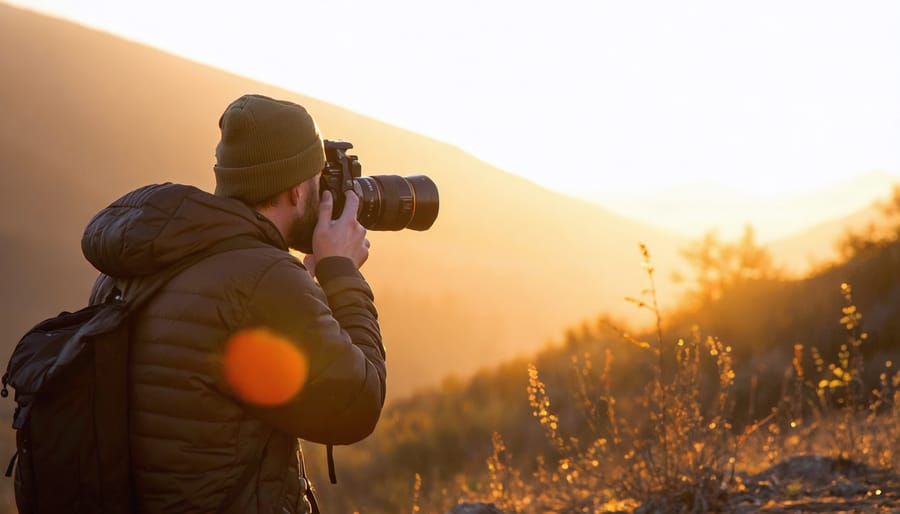
Learning manual control will turn your pictures from “good” to “wow.”
| Setting | Ideal Use | Tips |
|---|---|---|
| Aperture (f/8–f/16) | For landscapes | Keeps everything sharp from front to back |
| Shutter Speed | For motion | Slow for smooth water, fast for freezing action |
| ISO (100–200) | For clean images | Avoid high ISO to reduce noise |
| Focus Mode | Manual for tricky scenes | Use autofocus for quick moments |
Real Example: I once shot a waterfall using slow shutter speed (1/4 sec) — the water looked silky and alive. But when I used a faster speed (1/500), every droplet froze — perfect for energy and motion.
Explore New Perspectives
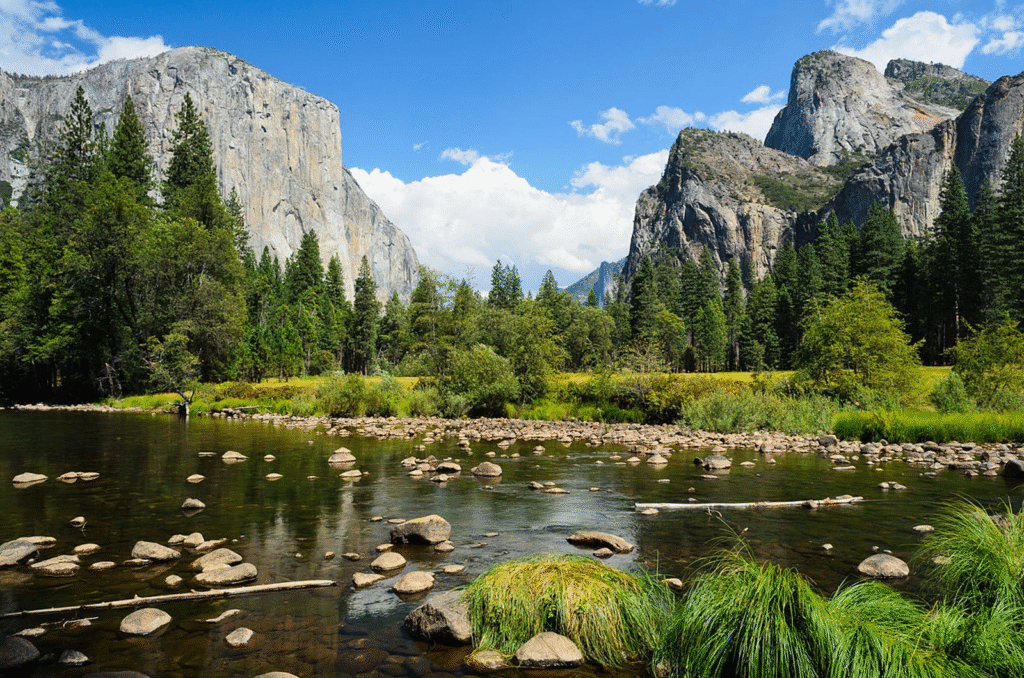
Don’t just shoot from where you stand — move, kneel, climb (safely), and see the world differently.
- Low angle: Makes flowers or small plants look grand.
- High angle: Ideal for capturing valleys, rivers, or city landscapes.
- Through objects: Frame your shot through trees or windows for artistic depth.
Personal Experience: I once lay flat to photograph dew drops on grass during sunrise — it looked like diamonds scattered on green velvet.
Be Patient and Observe
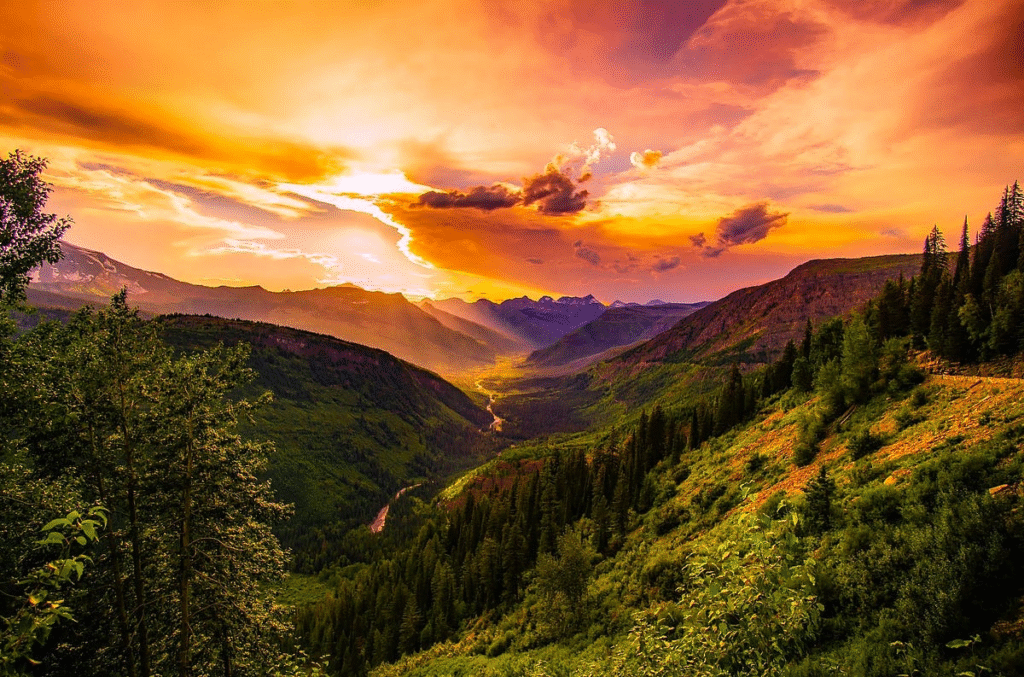
Nature doesn’t rush — and neither should you.
- Spend time observing light, clouds, and patterns.
- Wait for that perfect moment when sunlight touches the mountain top.
- Visit the same place multiple times — every season tells a new story.
Storytime: Once, I waited three hours for a rainbow after a storm. Just as I thought of leaving, the sun peeked out — and there it was, a full rainbow over the valley. That single shot made the wait worth it.
Connect Emotionally with Nature
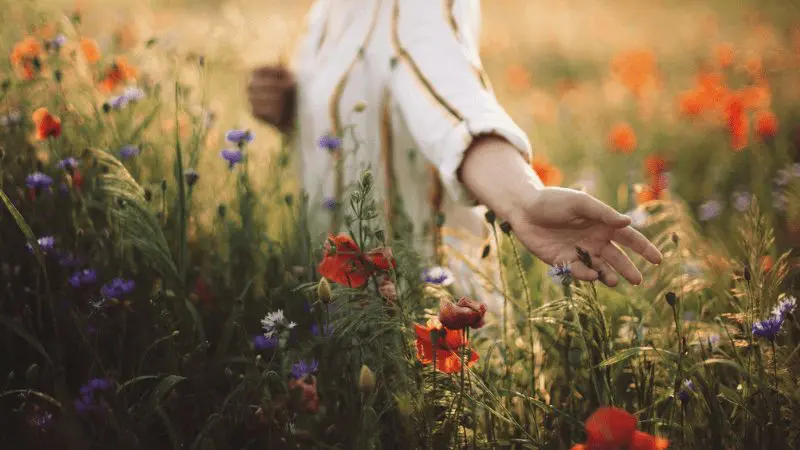
The best photos come when you feel the place. Take a moment to breathe, listen, and be present.
When you’re emotionally connected, your photos carry that energy.
Try to capture:
- The stillness of a forest after rain.
- The power of waves hitting rocks.
- The peace of sunrise after a long hike.
Your camera records light, but your heart records emotion — combine both for timeless photos.
Post-Processing: Enhance, Don’t Fake
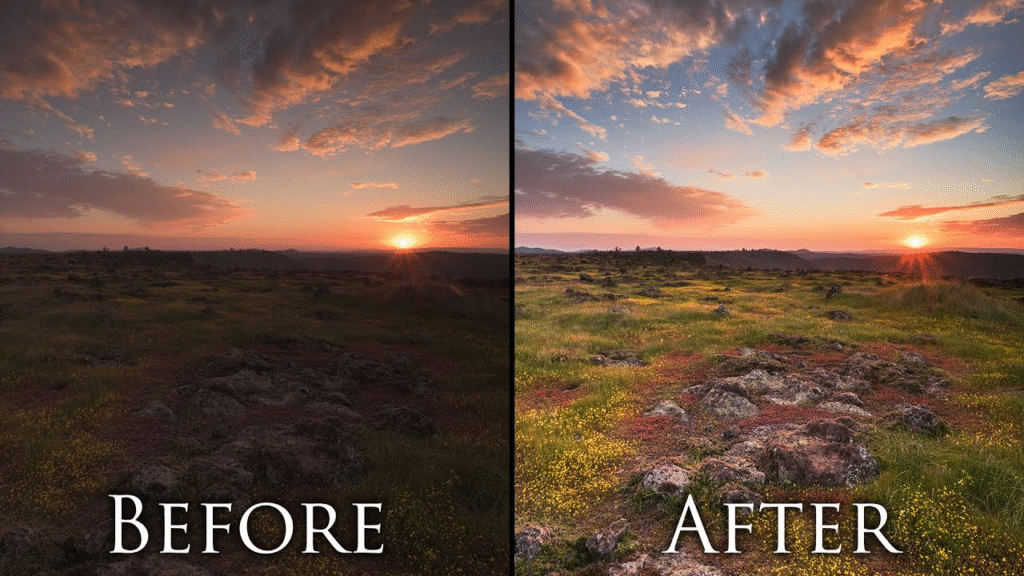
Editing is like polishing a diamond — it brings out what’s already beautiful.
- Use apps like Lightroom, Snapseed, or Photoshop.
- Adjust brightness, contrast, and color balance gently.
- Avoid over-saturation — nature is already colorful.
- Crop distractions, straighten horizons, and enhance clarity.
Pro Tip: Compare your edited photo with the original. If it still feels “real,” you’ve done it right.
Respect Nature
While capturing beauty, always remember to protect it.
- Don’t trample plants or disturb wildlife.
- Carry your waste back — leave no trace.
- Support eco-friendly travel and photography.
Emotional Note: Every photograph is a thank-you note to the planet. Let’s make sure our art never harms the beauty we love to capture.
Bonus: Creative Nature Photography Ideas
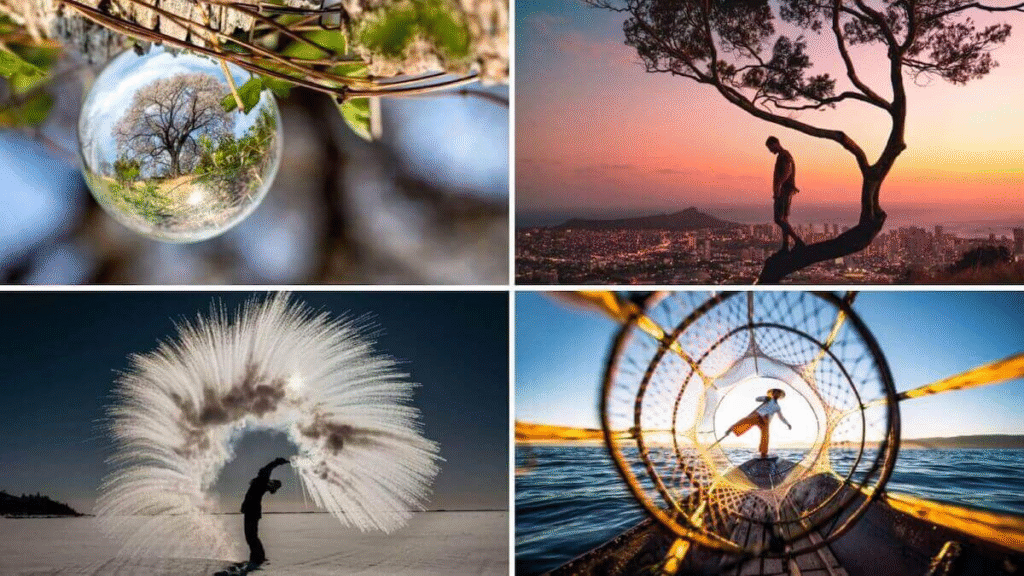
- Long Exposures: Capture moving clouds or silky waterfalls.
- Star Trails: Use long exposure at night for magical skies.
- Macro Landscapes: Focus on small worlds — mushrooms, dew drops, or tree bark textures.
- Silhouettes: Shoot during sunset for dramatic outlines.
- Panoramas: Stitch multiple shots for wide landscapes.
Quick Reference Chart
| Technique | Purpose | Best Time | Equipment Needed |
|---|---|---|---|
| Golden Hour Shots | Warm, emotional light | Sunrise/Sunset | Camera + Tripod |
| Long Exposure | Motion effect | Cloudy/Evening | ND Filter + Tripod |
| Reflection Photography | Balanced symmetry | Calm weather | Wide Lens |
| Macro Nature | Detail focus | Anytime | Macro Lens |
| Night Landscape | Starry effect | Clear nights | Tripod + Remote |
Conclusion
Nature photography isn’t just about skill — it’s about patience, love, and the joy of discovery. Every photo you take becomes a memory of that moment — the wind, the smell of earth, the chill in the air.
So, the next time you step into nature with your camera, don’t just look — feel. Because when your heart connects with the landscape, your photos will speak more than words ever can.
This article is based on personal experiences and field-tested techniques. Always follow local rules and preserve the natural environment while photographing.
#NaturePhotography #LandscapePhotography #PhotographyTips #NatureLovers #CaptureTheMoment #GoldenHour #OutdoorPhotography #WildBeauty #PhotographyInspiration #EcoTravel #Carrerbook #Anslation