
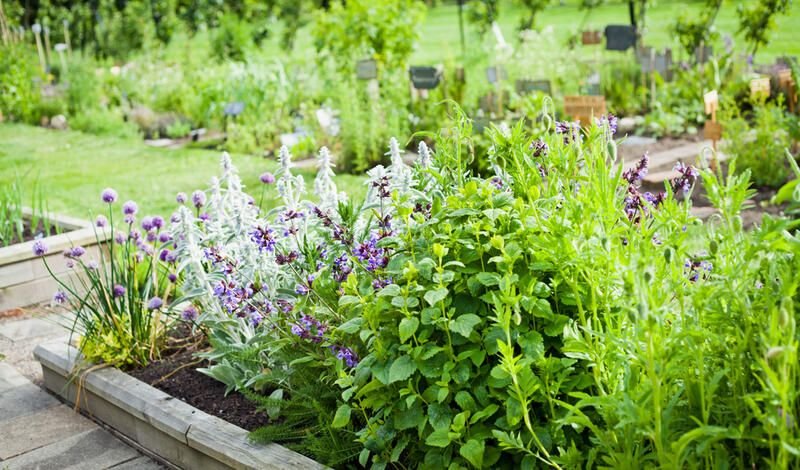
Discover the power of nature’s healing plants! 🌿 Learn about the best plants that promote wellness and help with natural healing in your daily life.
Nature has always been a source of healing and wellness. From ancient civilizations to modern times, plants have been used for their therapeutic properties to promote health and well-being. In today’s fast-paced world, the demand for natural, holistic solutions to health issues is growing, and plants are at the forefront of this movement. This article will explore the best healing plants that can help you achieve a healthier lifestyle and improve your overall wellness.
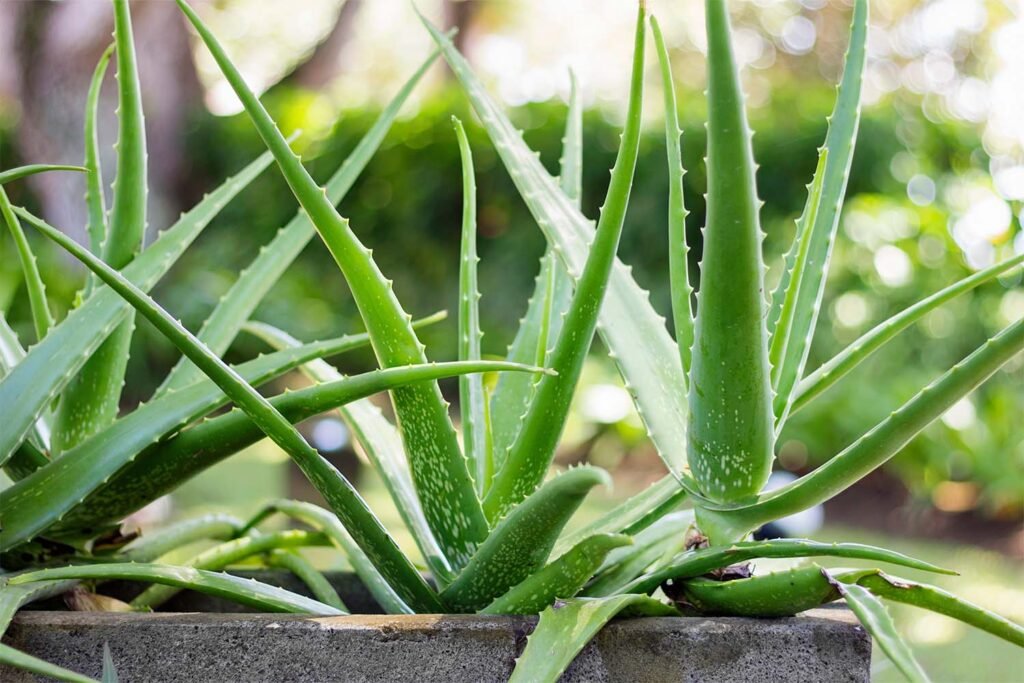
1. Aloe Vera: The Ultimate Skin Healer
Aloe vera is one of the most popular and well-known plants for its healing properties. Often used in skincare, aloe vera gel is known for its ability to soothe sunburns, moisturize skin, and promote wound healing. Aloe vera is also beneficial for digestive health, as its juice can help cleanse the digestive tract and aid in digestion.
How to Use Aloe Vera:
- Apply the gel directly to the skin for burns, cuts, and hydration.
- Drink aloe vera juice for digestive support and detoxification.
2. Lavender: A Calming Herb for Relaxation
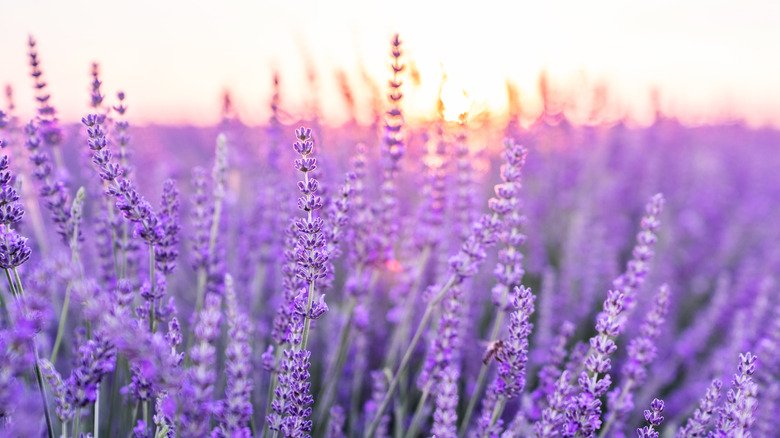
Lavender is widely recognized for its calming and relaxing properties. Its soothing scent helps alleviate stress, anxiety, and insomnia. Lavender essential oil is often used in aromatherapy to promote mental clarity and emotional well-being. It also has antiseptic and anti-inflammatory properties, making it useful for minor cuts and insect bites.
How to Use Lavender:
- Diffuse lavender essential oil in your home to reduce stress.
- Apply diluted lavender oil to the skin for relief from burns or insect stings.
- Add a few drops of lavender oil to your pillow for a peaceful night’s sleep.
3. Eucalyptus: The Respiratory Aid
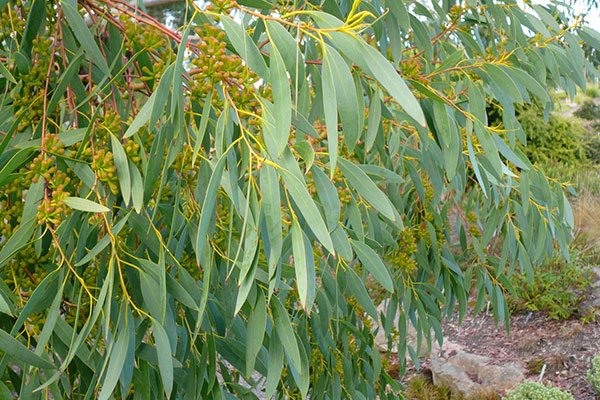
Eucalyptus is a powerful plant that aids in respiratory health. Its oil is commonly used to treat colds, coughs, and congestion. Eucalyptus has antiseptic and anti-inflammatory properties that help clear airways, reduce inflammation, and relieve coughing. It is commonly found in throat lozenges and cough syrups.
How to Use Eucalyptus:
Add a few drops of eucalyptus oil to hot water and inhale the steam to clear sinuses.
Use eucalyptus essential oil in a diffuser to relieve nasal congestion.
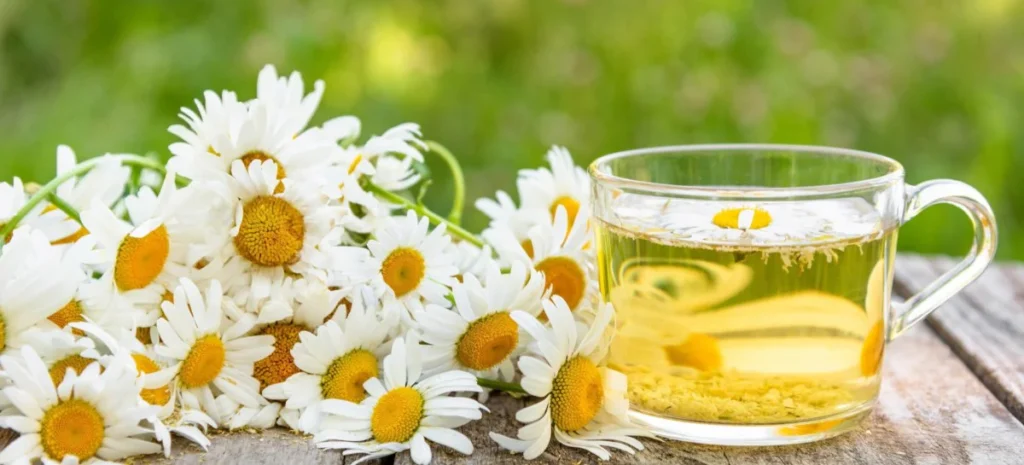
4. Chamomile: The Gentle Soother
Chamomile is often used as a gentle herb to promote relaxation and improve sleep. Its calming properties make it a popular choice for treating insomnia, anxiety, and stress. Chamomile is also known for its ability to soothe digestive issues such as indigestion and bloating.
How to Use Chamomile:
- Drink chamomile tea to promote relaxation and aid sleep.
- Use chamomile oil or cream to calm irritated skin or reduce inflammation.
5. Peppermint: The Digestive Helper
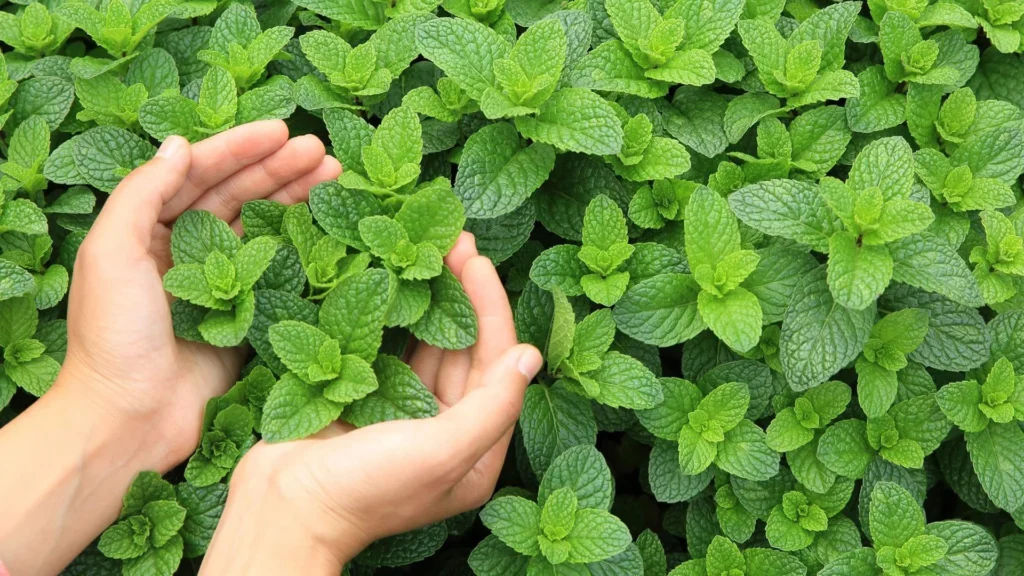
Peppermint is widely used for its digestive benefits. It helps relieve indigestion, bloating, and nausea by relaxing the muscles of the digestive tract. Peppermint oil also has antimicrobial properties, which make it effective for soothing headaches and promoting mental clarity.
How to Use Peppermint:
- Drink peppermint tea after meals to aid digestion.
- Apply diluted peppermint oil to the temples to relieve headaches.
- Inhale peppermint oil to boost energy and focus.
6. Ginger: The Anti-Inflammatory Root
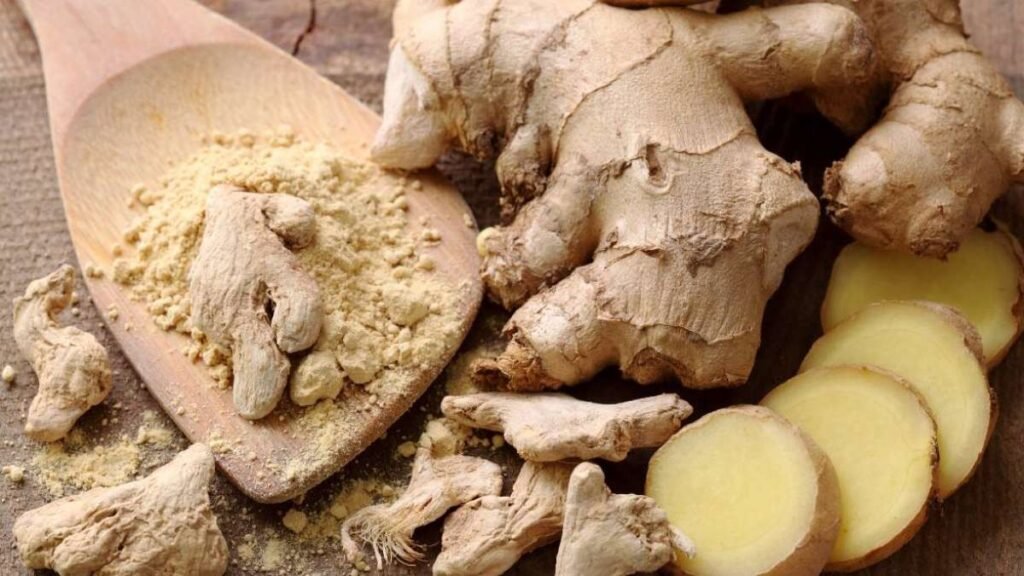
Ginger is renowned for its powerful anti-inflammatory properties. It is commonly used to treat nausea, indigestion, and muscle pain. Ginger also helps boost immunity and support healthy blood circulation. It is a popular remedy for colds, flu, and respiratory issues.
How to Use Ginger:
- Drink ginger tea to alleviate nausea and promote digestion.
- Use fresh ginger in smoothies or meals for a healthy immune boost.
7. Turmeric: The Golden Healing Spice
Turmeric is a well-known herb in the wellness community for its anti-inflammatory and antioxidant properties. Curcumin, the active compound in turmeric, helps reduce inflammation, promote joint health, and improve cognitive function. It is often used to treat conditions such as arthritis, digestive issues, and even skin problems.
How to Use Turmeric:
- Add turmeric to soups, curries, or smoothies for its health benefits.
- Drink turmeric tea to reduce inflammation and promote overall wellness.
- Apply turmeric paste to the skin for its anti-inflammatory and antibacterial effects.

8. Calendula: The Skin Healer
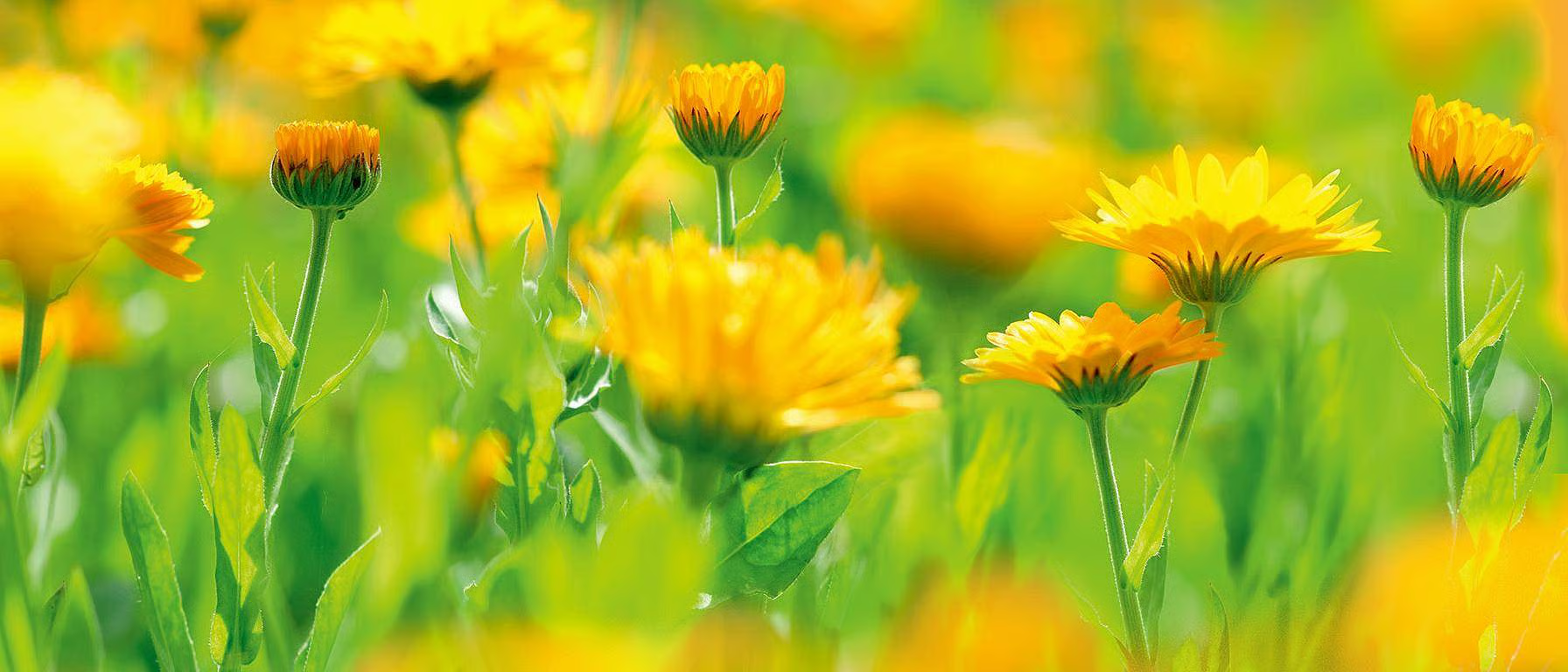
Calendula, also known as marigold, is an excellent herb for skincare. It has antifungal, anti-inflammatory, and antiseptic properties that make it perfect for treating wounds, cuts, burns, and even acne. Calendula is commonly found in creams, ointments, and lotions designed to promote skin healing.
How to Use Calendula:
- Apply calendula cream or ointment to soothe irritated skin or minor cuts.
- Make a calendula tea to drink for its internal benefits, including digestive support.
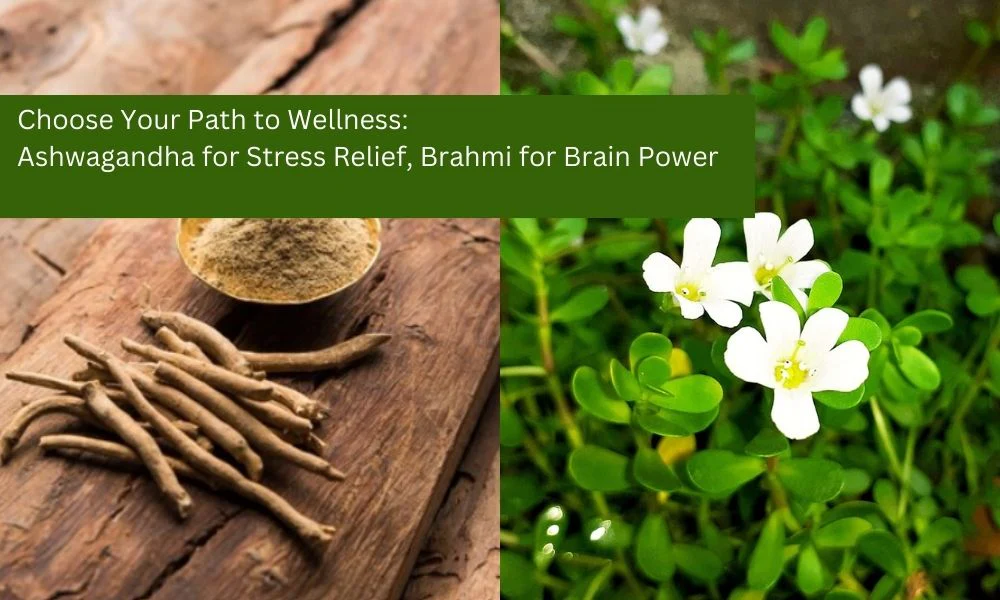
9. Ashwagandha: The Stress Buster
Ashwagandha, an adaptogenic herb, is widely used in Ayurvedic medicine for its ability to reduce stress and anxiety. It helps balance the body’s response to stress by regulating cortisol levels. Ashwagandha is also beneficial for improving energy levels, promoting mental clarity, and boosting immunity.
How to Use Ashwagandha:
- Take ashwagandha supplements or powder to reduce stress and anxiety.
- Add ashwagandha powder to smoothies or teas for a natural energy boost.
By incorporating these healing plants into your daily routine, you can support your body’s natural ability to heal, relax, and thrive. Whether you’re looking for skin care solutions, digestive aids, or stress-relieving remedies, nature has provided us with a treasure trove of plants that can improve our overall wellness. Always remember to consult with a healthcare provider before introducing any new herbs into your routine, especially if you have pre-existing conditions or are on medication.
Disclaimer: This blog is intended for informational and educational purposes only. The views expressed are personal opinions or general insights, not professional or legal advice. Readers should do their own research or consult relevant professionals before taking action based on this content.
#HealingPlants #NatureRemedies #HerbalWellness #NaturalHealing #GreenMedicine #HolisticHealth #WellnessJourney #PlantPower #HealthyLiving #HerbalRemedies #NatureLovers #PlantMedicine #OrganicHealing #WellnessTips #HealingHerbs#carrerbook#anslation